







Search Results for: PWN G1
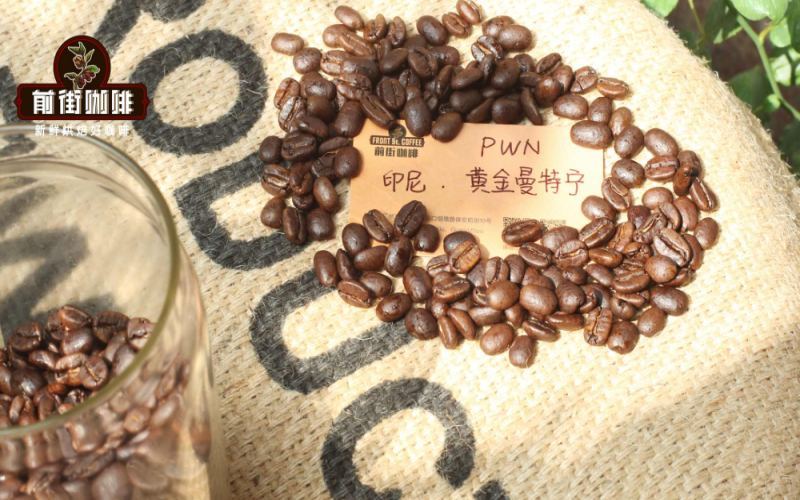
Analysis of the Differences Between PWN Mandheling G1 and Golden Mandheling: A Detailed Explanation of the Authentic PWN Mandheling G1 Grade Standards
The name Mandheling coffee originates from an amusing misunderstanding, and today the Mandheling G1 produced by PWN, Indonesia's most renowned coffee purchaser, represents the pinnacle of Sumatran coffee. The G1 grade is custom-made exclusively for Japanese trading companies, with the number of defective beans strictly limited to no more than 3 points per 300 grams. However, PWN Mandheling G1 is not equivalent to Golden Mandheling—the latter requires four rounds of hand-sorting, and its annual output is extremely scarce. This article will systematically sort out the essential differences between PWN Mandheling G1 and Golden Mandheling, from historical origins, grade classification, and origin terroir to Front Street Coffee's actual recommendations, helping coffee enthusiasts clearly understand the positioning and flavor direction of these two beans. [more…]
An Analysis of the Mandheling Coffee Bean Grading System: The Differences Between PWN Golden Mandheling and G1 Grade
Mandheling coffee is deeply favored by enthusiasts for its rich and full-bodied taste, but do you know the grading standards for Indonesian coffee beans? What exactly are the differences between PWN Golden Mandheling and regular G1 Mandheling? This article will provide a detailed introduction to the grading system for Indonesian green coffee beans, analyzing the grade standards from G1 to G6 based on defect rates, screen sizes, and other dimensions, and will delve into how PWN company creates its uniquely distinctive Golden Mandheling through strict screening processes. At the same time, Front Street Coffee will share brewing suggestions for Golden Mandheling to help you better savor this high-quality coffee with regional character. [more…]
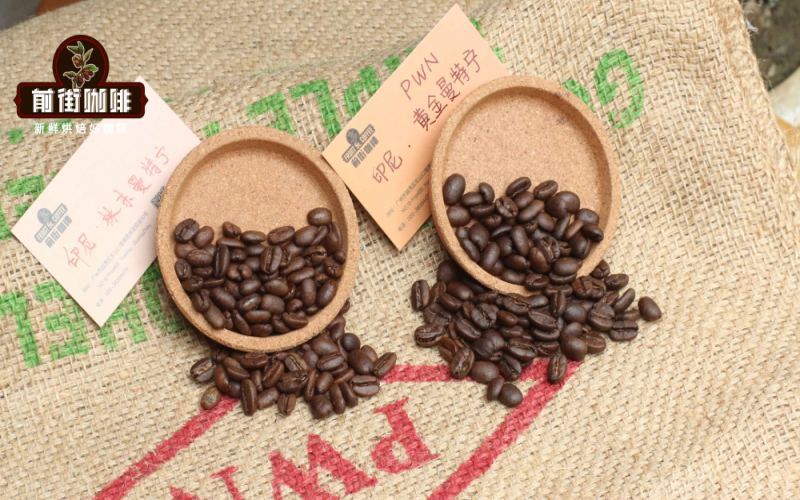
PWN Mandheling G1 vs. Golden Mandheling: A Full Analysis of Grading, Processing Methods, and Flavor Differences
The name Mandheling originates from a beautiful misunderstanding during World War II, and today almost all of Indonesia's finest Mandheling comes from PWN (Pwani Coffee Company). G1 represents the highest grade of washed beans, with no more than 3 defective beans per 300 grams; Golden Mandheling, on the other hand, requires four rounds of hand sorting, with an annual output of less than 1 ton. This article systematically sorts out the unique characteristics of PWN Mandheling G1 and Golden Mandheling, from historical anecdotes, grade standards, and origin processing methods to cupping flavors, and compares the differences in Lintong Mandheling's performance in terms of fruit acidity, body, and herbal aroma, helping coffee enthusiasts understand the flavor codes and key purchasing points of these two top-grade Mandheling coffees, while also introducing the related product features of the Front Street Coffee brand. [more…]
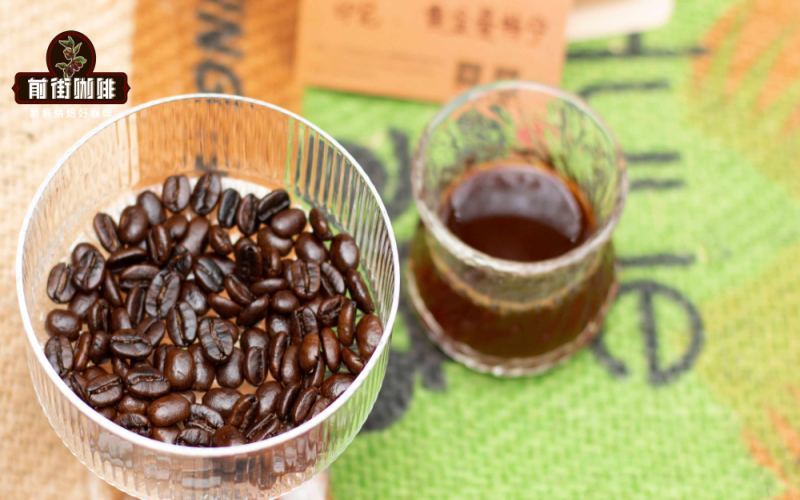
Golden Mandheling Coffee Flavor and Taste Analysis: A Comprehensive Look from Wet-Hulled Processing to PWN G1 Specialty Beans
Golden Mandheling is the crown jewel of Indonesian specialty coffee, and the G1 grade produced by PWN is the finest representative of them all. This article offers a comprehensive analysis of the unique charm of Golden Mandheling from the perspectives of flavor and mouthfeel, processing method, and grade classification. Compared with Front Street Lintong Mandheling, Front Street PWN Golden Mandheling has a cleaner mouthfeel, with the herbal, earthy, and woody notes typical of traditional Mandheling greatly reduced and the caramel sweetness more prominent. Although the wet-hulled method it employs increases the defect rate, it endows the coffee with a distinctive herbaceous, musty aroma and a sense of terroir. Under deep roasting, caramel, dark chocolate, and nutty flavors interweave, making it suitable for various extraction methods such as pour-over, SOE, and moka pot, and an ideal daily staple for coffee lovers who pursue a rich, mellow taste without acidity. [more…]
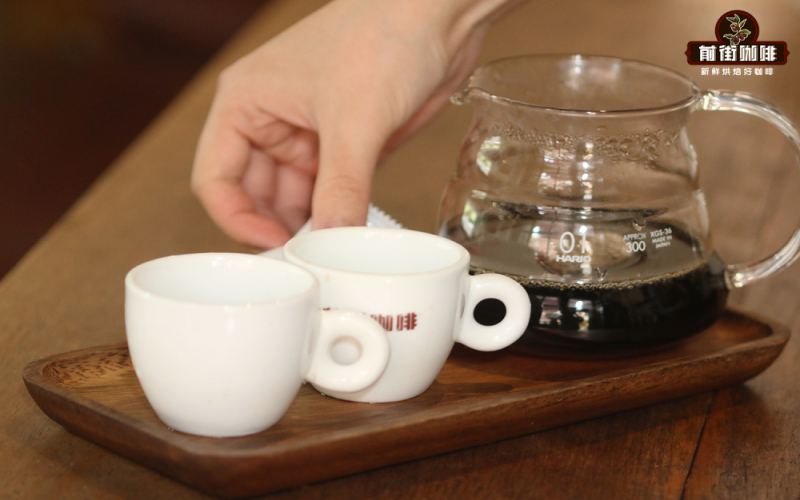
How Are Indonesian Coffee Bean Grades Classified? G1 and G2 Standards and Key Points for Choosing Golden Mandheling
The price of Indonesian coffee beans largely depends on their green bean grading system. G1 and G2 are common grade indicators, and G1 is often further subdivided based on whether it has undergone multiple rounds of hand sorting. Starting from the flavor characteristics of Mandheling and the wet-hulling process, this article systematically introduces the differences between coffee from two well-known Sumatran origins—Lake Tawar in Aceh and Lintong in Lake Toba—and focuses on analyzing PWN company's Golden Mandheling trademark registration, G1 grade, 18+ screen size specification, and triple hand-sorting standard. At the same time, Front Street Coffee shares the cupping performance and brewing parameters of Golden Mandheling to help readers understand the basis for judging the quality and price of Indonesian coffee beans. [more…]
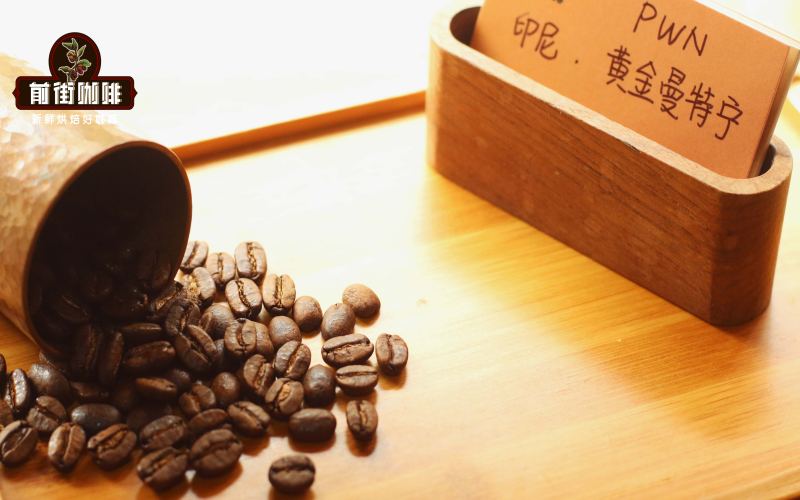
Golden Mandheling Classic: A Full Analysis of PWN Certification, Wet-Hulling Process, and G1 Grade Flavor
Golden Mandheling is one of the signature specialty coffees of Indonesia, and the Classic Golden Mandheling produced by PWN is the benchmark among them. This article systematically breaks down the core characteristics of this Mandheling coffee bean, from growing region and variety to processing method and grading standards. You will learn how PWN ensures quality through multiple rounds of hand sorting and trademark certification, why the wet-hulled process gives it a unique low-acid, full-bodied flavor, and how strict the G1 grade is regarding defect rates and bean size specifications. Front Street Coffee, a brand that has long promoted Mandheling, also shares in this article its cupping performance and brewing recommendations under a medium-dark roast profile. [more…]
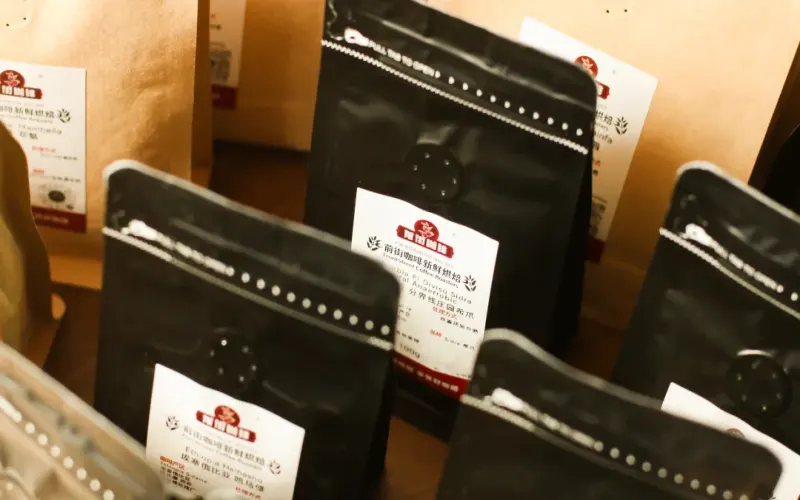
Indonesian PWN Golden Mandheling G1 Washed Beans: Grade Classification, Market Trends, Green Bean Characteristics, and Roasting Recommendations
When it comes to Sumatra Mandheling from Indonesia, many coffee lovers are no strangers to it. The Golden Mandheling G1 washed beans produced by PWN are especially one of the most representative specialty coffees in the Mandheling family. This article centers on this bean, starting with a comparison between Front Street Golden Mandheling and Front Street Mandheling G1, discussing the differences in taste and the breadth of roasting flexibility, then extending to the stylistic differences between Mandheling from Sumatra's two major lake regions—Lake Toba and Lake Tawar—and finally sorting out the naming logic of Mandheling and the origin of PWN Golden Mandheling. Whether you are a beginner just starting out or a seasoned player who wants to understand Mandheling grading and flavor in greater depth, you will find useful references here. [more…]
Mandheling G1 vs. Golden Mandheling: A Comprehensive Comparison of Varieties, Processing Methods, and Brewing Flavors
Mandheling coffee occupies an important place in Indonesia's coffee landscape, yet many enthusiasts are confused about the difference between ordinary Mandheling G1 and Golden Mandheling. This article begins with the origin of the name "Mandheling," sorts out the G1 grading standards and the PWN Golden Mandheling trademark certification system, and then takes a deeper look at the similarities and differences between the two in terms of coffee variety and wet-hulling processing. It also includes Front Street Coffee's roasting approach and brewing parameter recommendations. Whether you want to understand the certification threshold for Golden Mandheling or master the extraction techniques for dark-roasted Mandheling, this article provides detailed reference information. [more…]
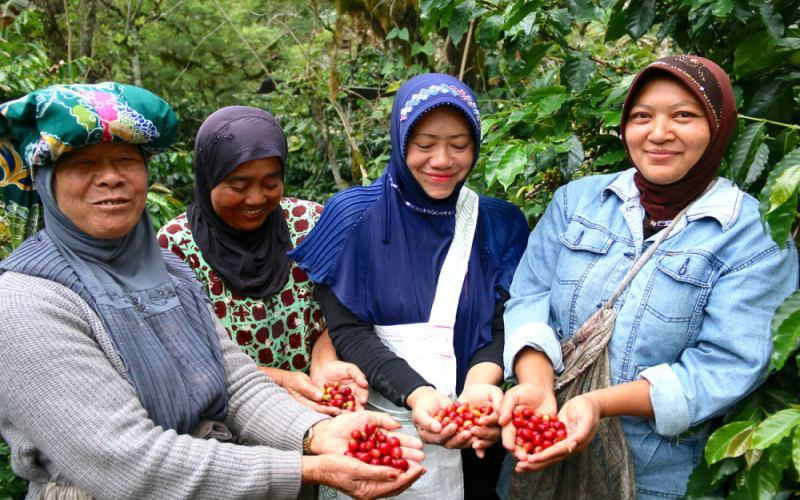
How to Choose Mandheling Coffee Beans? A Full Analysis of the Flavor Grades of Indonesian G1 and PWN Golden Mandheling
Mandheling is one of the most recognizable coffees from the Sumatra region, and its rich dark chocolate base notes and herbal aroma make it especially captivating at medium-dark roasts. With so many Mandheling products on the market, how do you choose the one that is fresh, high quality, and suited to your taste? Starting from the terroir of the region, this article compares two representative coffee beans—Front Street Coffee Indonesia Mandheling G1 and Front Street Coffee PWN Golden Mandheling—and outlines their differences in grade, variety, processing method, and flavor performance, helping coffee lovers find a suitable everyday bean or an upgrade option. [more…]
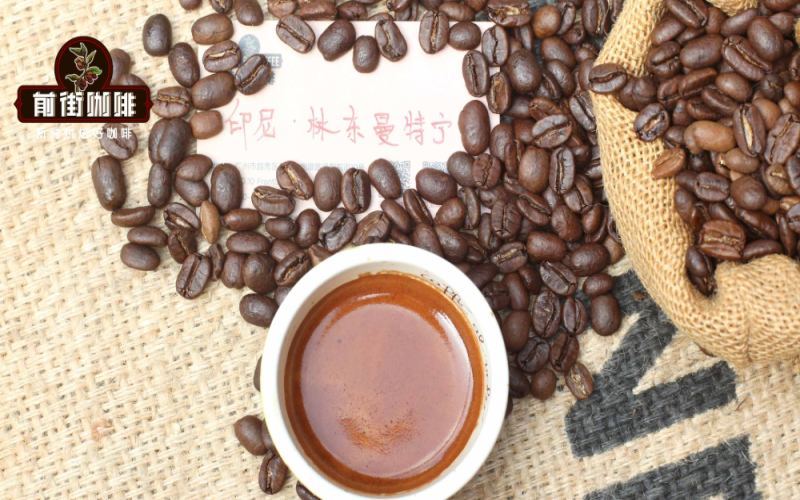
Analysis of Mandheling Coffee Flavor Characteristics: A Complete Guide to PWN G1 and Golden Mandheling Brewing Methods
Mandheling coffee, with its rich, deep, low-toned style, has a large and loyal following in the Asian market, but its high proportion of defective beans has also made it a highly talked-about single-origin coffee. Indonesian green bean trader PWN, through strict machine sorting and manual hand sorting, has elevated Mandheling from the Gayo Mountain growing region in Aceh to G1 grade and registered the trademark "Golden Mandheling," giving it a cleaner flavor profile. The Golden Mandheling sold by Front Street Coffee comes from PWN and is given a medium-dark roast, known for its notes of nuts, caramel, and chocolate. This article will begin with Mandheling's varietal characteristics, PWN's grading system, and the growing region and varietal background of Golden Mandheling, and will also include Front Street's recommended pour-over parameters and staged pouring technique to help coffee lovers brew a cup of Golden Mandheling with rich layers and a long-lasting sweet aftertaste at home. [more…]
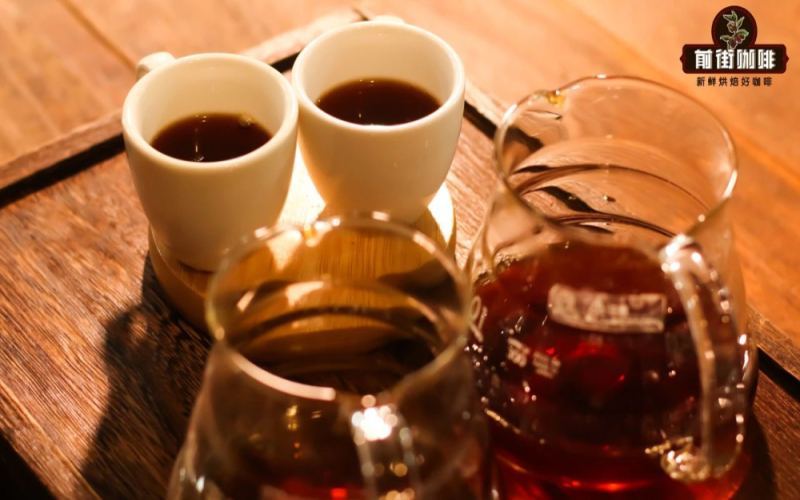
Why is Golden Mandheling more expensive than G1 Mandheling? A complete guide to buying and flavor analysis of Mandheling SOE
Mandheling is often labeled as "heavily bitter, with a medicinal herbal note"—those who love it savor it happily, while those who aren't used to it may be put off after just one cup. But have you ever heard of Golden Mandheling, a higher-grade version than ordinary Mandheling? It comes from the same Sumatra region of Indonesia as G1 Mandheling, yet costs noticeably more—so where exactly is the difference? This article starts with the fun WWII anecdote behind the name Mandheling, then walks through the growing region's altitude, grading system, and the classic flavors brought by the wet-hulling process. It focuses on explaining why Golden Mandheling can be considered the finest among Mandhelings, and compares the differences in sweetness, cleanliness, and body between Front Street Coffee Indonesian Mandheling G1 and Front Street Coffee PWN Golden Mandheling. It also offers extraction suggestions suitable for pour-over, siphon, moka pot, and espresso SOE, helping you look for proper certification when buying and get fresh-roasted, authentic, high-quality beans. [more…]
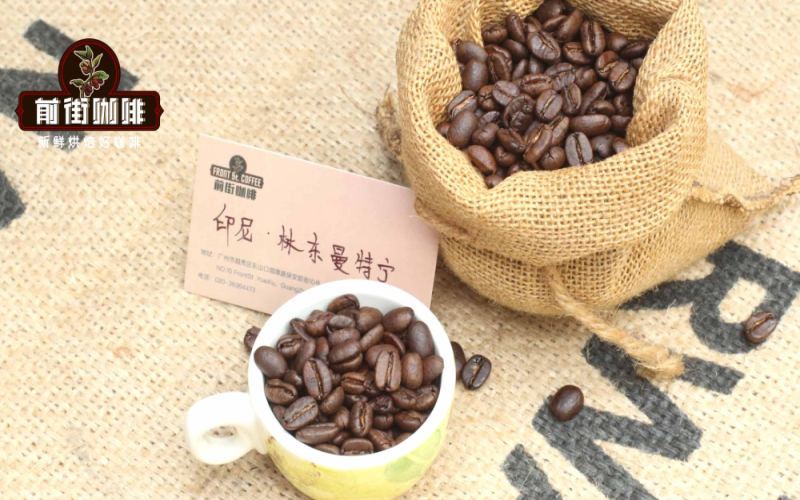
Indonesian PWN Golden Mandheling G1 Washed Bean Pour-Over Guide: Full Analysis of Parameters, Flavor, and Packaging Information
Sumatra Mandheling coffee from the Indonesian island of Sumatra has long been famous for its rich, full-bodied texture, and the Golden Mandheling G1 produced by PWN is a standout among specialty coffees. This article focuses on the current-season Golden Mandheling that arrived at Front Street Coffee in December 2020, explaining one by one Indonesia's coffee grading system and the key information on PWN packaging bags, and provides a pour-over recipe tailored to this medium-dark roasted bean—including dripper choice, grind size, coffee-to-water ratio, water temperature, and the rhythm of staged pouring. Finally, it lays out its flavor profile woven from nuts, chocolate, spices, and caramel, helping coffee lovers brew a clean yet rich cup at home. [more…]
Origins of Mandheling Naming and Comparison with Golden Mandheling: A Full Analysis of the G1 Triple Hand-Sorted Standard and Front Street Coffee PWN Brewing
The names of Mandheling are diverse—Lintong, Top Star, Tiger, Horse Face, Emerald... What exactly is the difference? This article starts with the origin of the Mandheling name, recounts the connection between Japanese soldiers and PWN (Pwani Coffee Company) during World War II, and analyzes the coffee cultivation landscape around Lake Tawar and Lake Toba in the two major producing regions of Aceh and North Sumatra. It focuses on breaking down why PWN Golden Mandheling has become the top representative: 18+ screen size, G1 grade, fewer than 3 defective beans in a 300-gram sample, one machine sorting plus three rounds of hand sorting, and the story behind its exclusive registered trademark. It also explains how the wet-hulling process shapes Mandheling's signature herbal and spicy notes, and includes the complete pour-over parameters and three-stage pouring approach for Front Street Coffee's PWN Golden Mandheling, helping coffee enthusiasts brew a clean, rich, classic flavor. [more…]
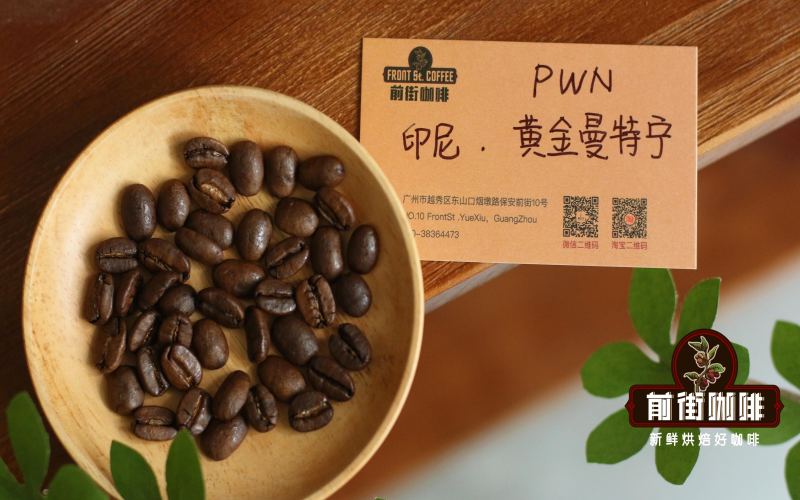
A Detailed Explanation of the Indonesian Golden Mandheling Grading System: G1 Standards, PWN Four-Time Hand Sorting, and a Guide to Avoiding Pitfalls When Buying
Mandheling is the calling card of Indonesian coffee, and Golden Mandheling is its premium representative. However, with the market flooded by a chaotic mix of Mandheling products, distinguishing the authentic from the fake and understanding the grading logic has become a source of confusion for many coffee enthusiasts. Starting from the regional characteristics of Front Street Coffee's Golden Mandheling, this article sorts through Indonesia's G1 grading system, which classifies beans by defect count, analyzes the rigorous four-round manual sorting standards of the PWN company, and introduces the reasoning behind its shift from Typica to Catimor varieties. At the same time, the article compiles three key pitfalls to avoid when buying Mandheling, helping readers make more rational judgments amid a dazzling array of products. [more…]
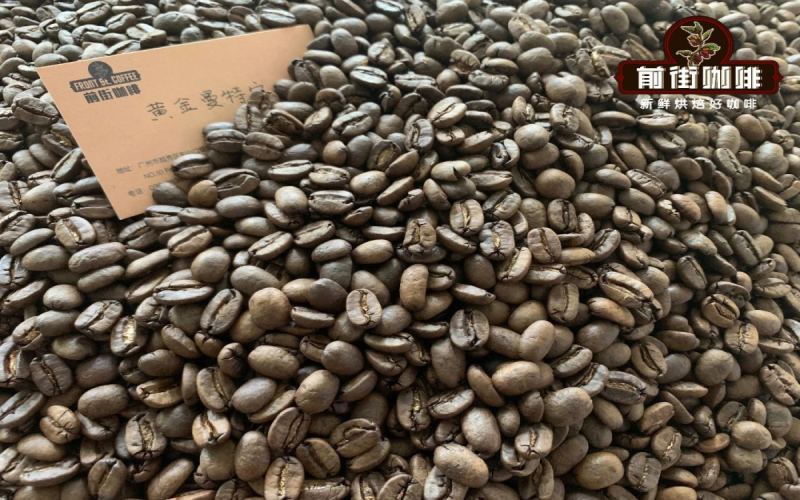
Indonesia Golden Mandheling Buying Guide: Key Points for Identifying from Bean to Cup Flavor
Golden Mandheling is one of Asia's most iconic single-origin coffees, but with so many imitations on the market, how can consumers tell the real thing from the fake? This article starts with the three unique features of Front Street PWN Golden Mandheling, explaining in detail PWN's strict purchasing and screening process, how to identify the registered trademark, and Indonesia's grading standards for Mandheling based on the number of defect beans. It also introduces the product information and flavor characteristics of two Indonesian Mandheling offerings at Front Street, helping coffee lovers master the essentials of identifying Golden Mandheling, from bean size to cupping flavor. [more…]
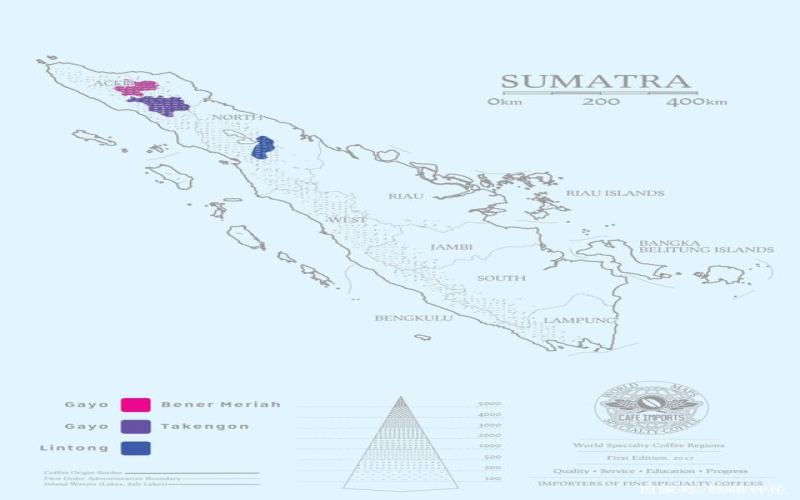
Indonesian PWN Golden Mandheling G1 Washed Beans: A Full Analysis of Origin, Flavor Profile, and Pour-Over Brewing Parameters
Mandheling is the most recognizable presence on the Asian coffee map, and the Golden Mandheling G1 washed beans produced by Indonesia's PWN are the benchmark of excellence within it. This article begins with the "Two Lakes, Two Mandhelings" of Sumatra's two core producing regions—Lake Toba and Lake Tawar—and sorts through the many ways Mandheling is classified, focusing on analyzing the differences between Front Street Lintong Mandheling and Front Street PWN Golden Mandheling in terms of the ethnic groups that cultivate them, processing methods, flavor expression, and roasting suitability. You will learn how the wet-hulling process gives Mandheling its distinctive woody, spicy, and herbal notes, and why PWN Golden Mandheling, after three rounds of manual sorting and one round of machine sorting, can present a cleaner cup with more pronounced sweetness. At the end of the article, Front Street's recommended brewing approach is included for coffee enthusiasts to reference and put into practice. [more…]
Indonesia PWN Golden Mandheling G1 Washed Specialty Coffee: From Its Javanese Origins to the Flavor Evolution of Sumatran Wet-Hulled Coffee
Mandheling coffee is the most representative Arabica variety in Sumatra, famous for its full-bodied mouthfeel and unique herbal, earthy flavor. This article begins with the history of coffee's spread, recounting how the Dutch introduced coffee to Java and how leaf rust disease drove the industry to move north to Sumatra, and explains in detail how the wet-hulling process shaped Mandheling's typical flavor. The article finally focuses on the Golden Mandheling G1 washed beans produced by Indonesia's PWN company, introducing its strict bean selection standards, three-time hand-sorting process, as well as the respective flavor performance and quality positioning of Front Street's recommended Lintong Mandheling and PWN Golden Mandheling. [more…]
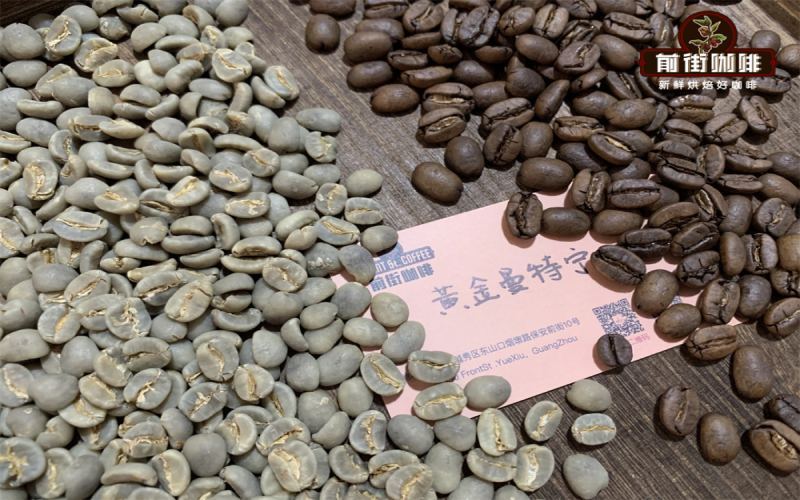
Indonesian Sumatra Golden Mandheling: A Full Analysis of Flavor from Terroir to Wet-Hulling Process
Mandheling coffee is known for its rich, bitter, full-bodied character with spicy and herbal notes—some people can't stand it, while others are passionately devoted to it. The roots of this distinctive flavor lie hidden in the tropical rainforests and volcanic soils of Sumatra, Indonesia. This article begins with Front Street's PWN Golden Mandheling and peels back the layers of Sumatra coffee's origin environment, variety characteristics, grading system, and wet-hulling process, explaining how PWN polishes G1-grade green beans into Golden Mandheling—large, uniform beans with both sweetness and cleanliness—through density-based color sorting and repeated hand sorting, while reminding enthusiasts to watch out for counterfeits on the market. [more…]
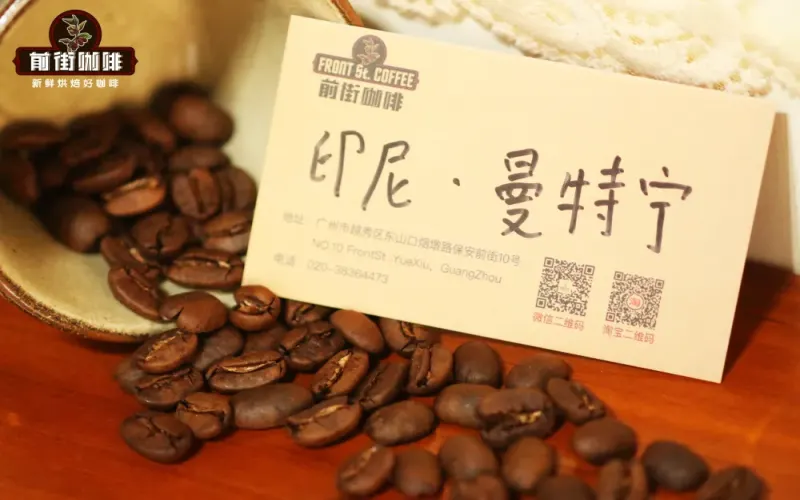
What Are the Differences Between Indonesia's PWN Golden Mandheling and G1 Mandheling? Front Street Explains Brewing Parameters and Flavor Characteristics in Detail
Mandheling is one of the most iconic coffees of Sumatra, Indonesia, and the Golden Mandheling produced by PWN is the benchmark among them. From the perspective of Front Street Coffee, this article sorts out the differences between Golden Mandheling and regular G1 Mandheling in terms of bean selection standards, grading, and processing methods, while also explaining how the wet-hulling process shapes Mandheling's signature full-bodied flavor. Front Street Coffee will also share the specific brewing parameters for Golden Mandheling, including dripper selection, grind size, water temperature, and the three-pour technique, to help coffee lovers brew a rich, clean, and balanced Mandheling at home. [more…]
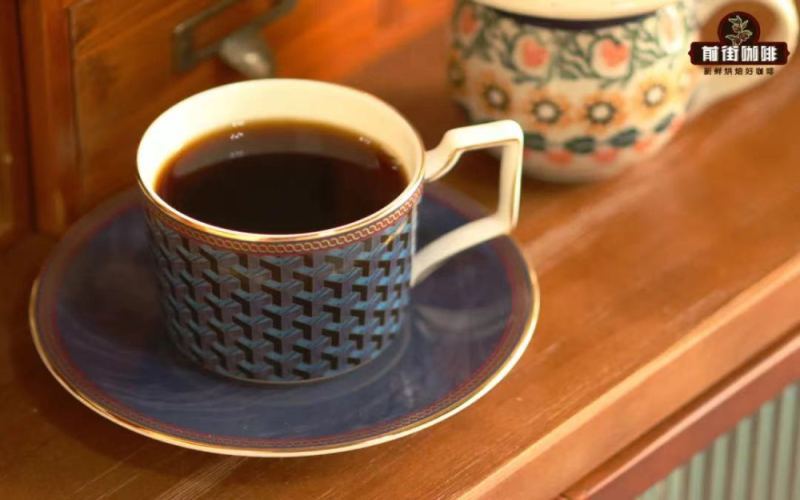
Indonesian Sumatra Lintong Mandheling G1 Coffee Beans: Flavor Profile, Origin Story, and Brewing Guide
Mandheling coffee is a favorite among dark roast enthusiasts, but its appeal goes far beyond bitterness. Starting from the Lintong region of Sumatra, Indonesia, this article takes you through the origins of Mandheling G1 grade, the rigorous screening process behind PWN Golden Mandheling, the distinctive herbal and dark chocolate flavors imparted by the wet-hulled process, and why classic Mandheling is typically medium-dark roasted. Front Street Coffee will also share brewing parameters and techniques for PWN Golden Mandheling, so you can recreate that cup of rich, clean, and long-lasting sweet finish—a true Sumatra classic—right at home. [more…]